This article is part of our knowledge base.
What is EMDR?
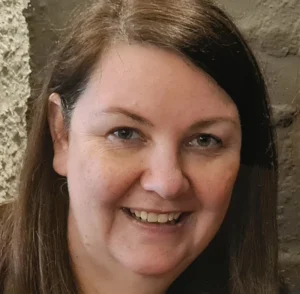
Dr Megan Dobbie, Clinical Psychologist , B.App.Sc. (Hons), D.Psych (Clinical)
Psychological Consulting, Treatment and Supervision. Dr Megan Dobbie is a Clinical Psychologist and Board Approved Supervisor and has over 25 years of experience treating trauma. She is also currently the Mental Health Lead on the Monash University Paramedic Health and Wellbeing Research Unit. She has provided psychological care to first responders for over 17 years.
What does EMDR stand for?
EMDR stands for Eye Movement Desensitization and Reprocessing. It’s a type of psychotherapy specifically designed to help people heal from trauma and distressing life experiences.
How does EMDR work?
EMDR is based on the idea that traumatic memories can get “stuck” in your brain in a way that keeps them feeling raw and overwhelming. The therapy helps your brain reprocess these memories so they become less distressing and more integrated with your other life experiences.
What happens in a EMDR session?
During EMDR, you’ll focus on a traumatic memory while simultaneously doing something called “bilateral stimulation”—usually following your therapist’s finger moving back and forth with your eyes, though it can also involve tapping or audio tones that alternate between your left and right sides.
This might sound unusual, but the bilateral stimulation seems to help your brain process the memory in a new way, similar to what happens naturally during REM sleep when your eyes move rapidly.
The phases:
EMDR typically involves eight phases, including:
- Taking your history and preparing you for the process
- Identifying target memories to work on
- Processing those memories with bilateral stimulation
- Reinforcing positive beliefs about yourself
What makes EMDR treatment different to traditional talk therapy?
Unlike traditional talk therapy, you don’t need to describe your trauma in detail or do homework between sessions. Many people find it less emotionally exhausting than other trauma therapies, and research shows it can work quite quickly for some people.
EMDR is recognized as an effective treatment for PTSD and trauma by organizations like the World Health Organization and the American Psychological Association. It can also help with anxiety, depression, and other conditions linked to difficult life experiences.
Dr Megan Dobbie is an experienced practitioner of EMDR.
Megan will welcome your contact if you have any questions about this therapy.
You might also be interested in What is PTSD?